Repair intent
Replace the part, not the tool.
The digital assembly keeps key components separate, with the intent that individual parts can be reprinted rather than the whole tool.
Digital prototypePhysical testing pending
Adjustable reach, directional ratcheting and bit storage, worked into one compact printable tool concept.
Inside the design
Five deliberate decisions shape the digital prototype. The animation shows how the modeled assembly fits together.
The bottom button presses in and the grip slides back to reveal bit storage, then closes. The collar selects forward, reverse and center lock while the handle and shaft illustrate each mode. Finally, the shaft retracts in two 25 mm steps, then extends again.
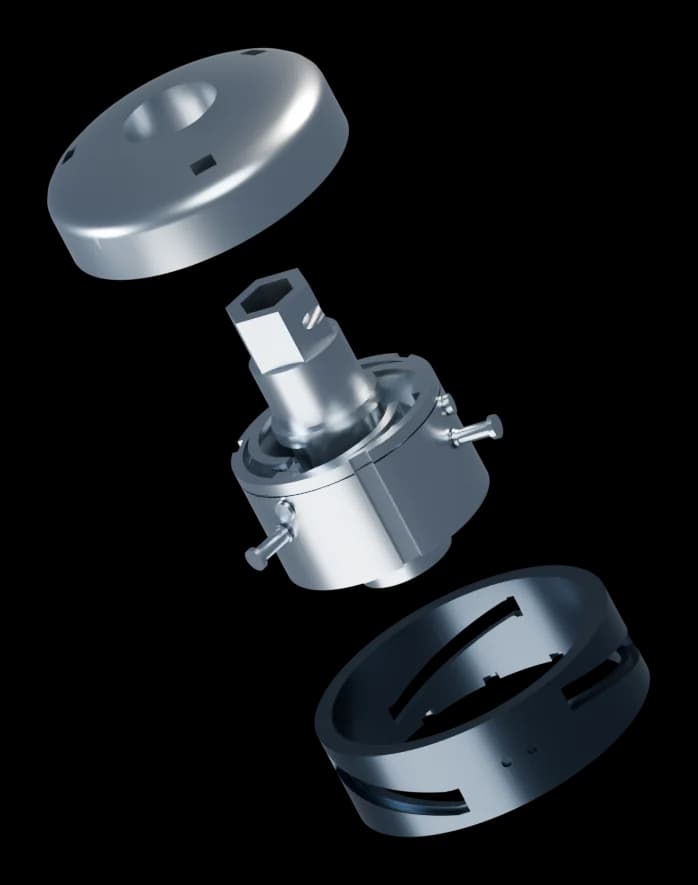
Exploded ratchet view
Forward, reverse, and a center lock. A closer look at the selector and ratchet stack.
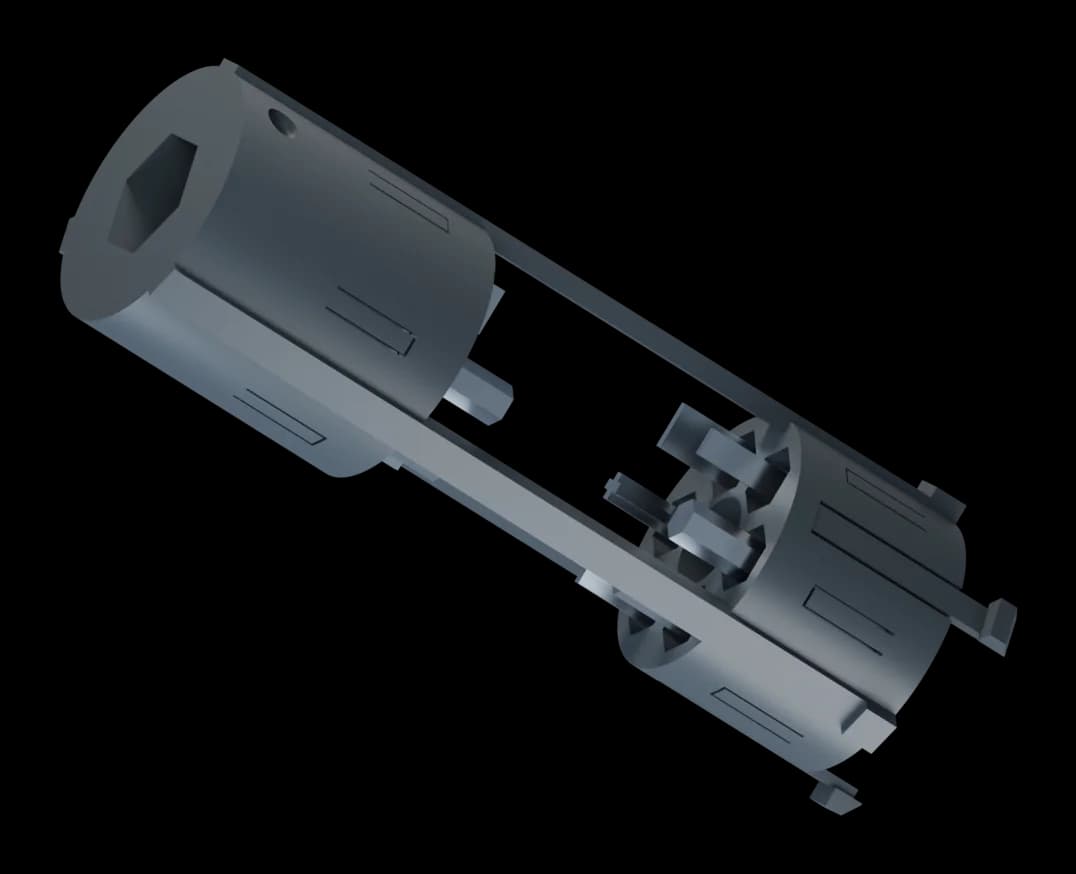
Exposed magazine
Eleven bits in a twelve-well magazine, revealed with the outer sleeve removed.
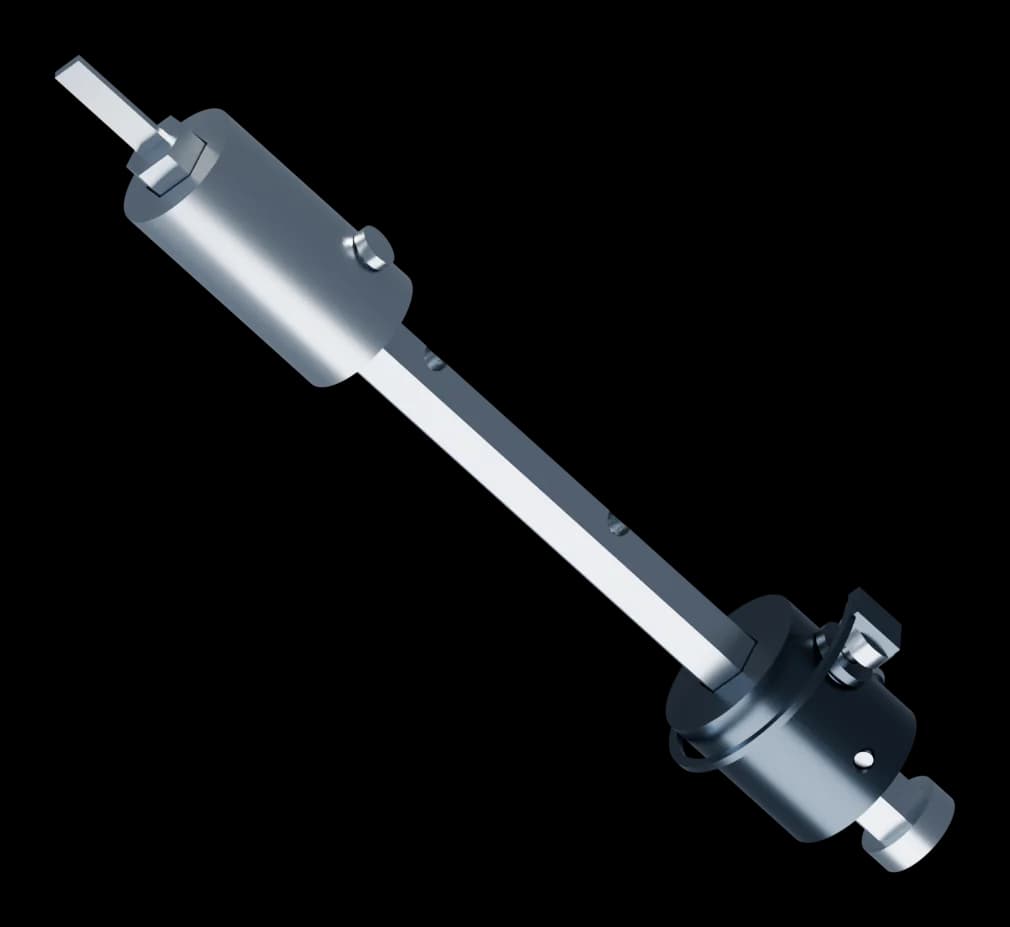
Telescoping shaft
A three-position shaft design with 50 mm of adjustment. Shown extended with its lock receiver and holder.
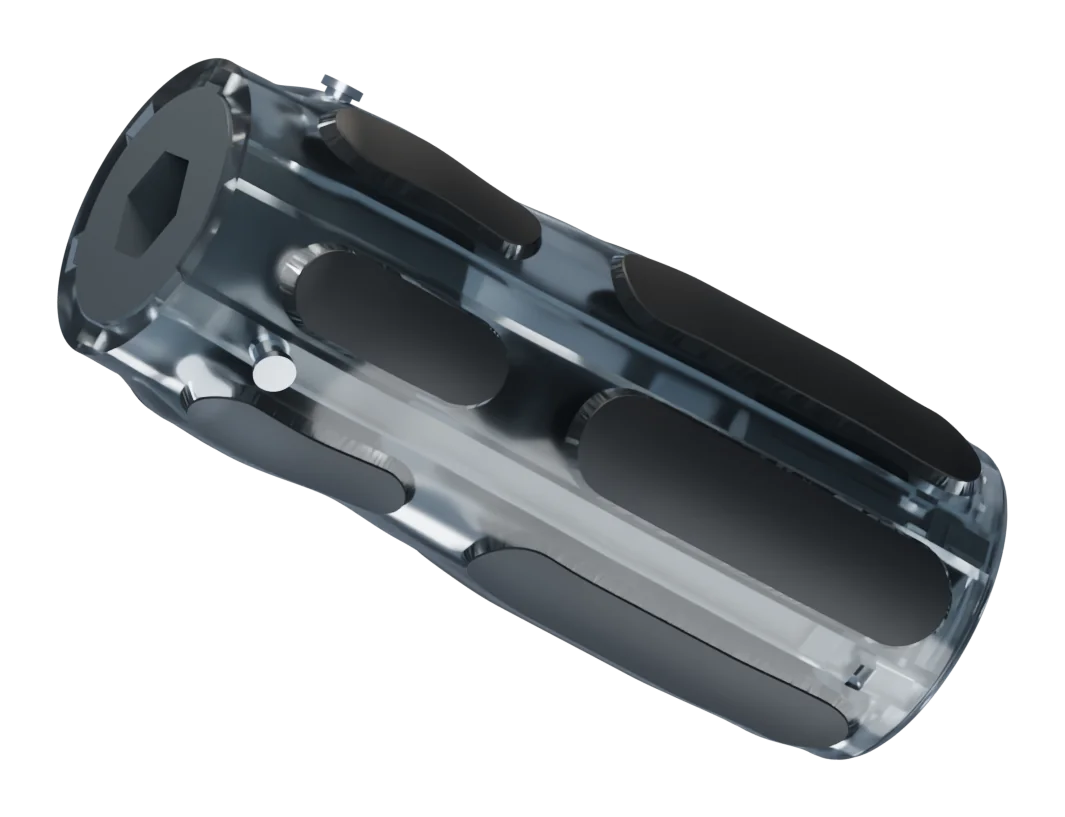
Material study
A transparent-body material study, shaped around twelve individual black grip pads.
Repair intent
The digital assembly keeps key components separate, with the intent that individual parts can be reprinted rather than the whole tool.
Print plan
The parts planned for printing, laid out in proposed orientations. These are digital renderings of the printable geometry, not photographs of finished prints.
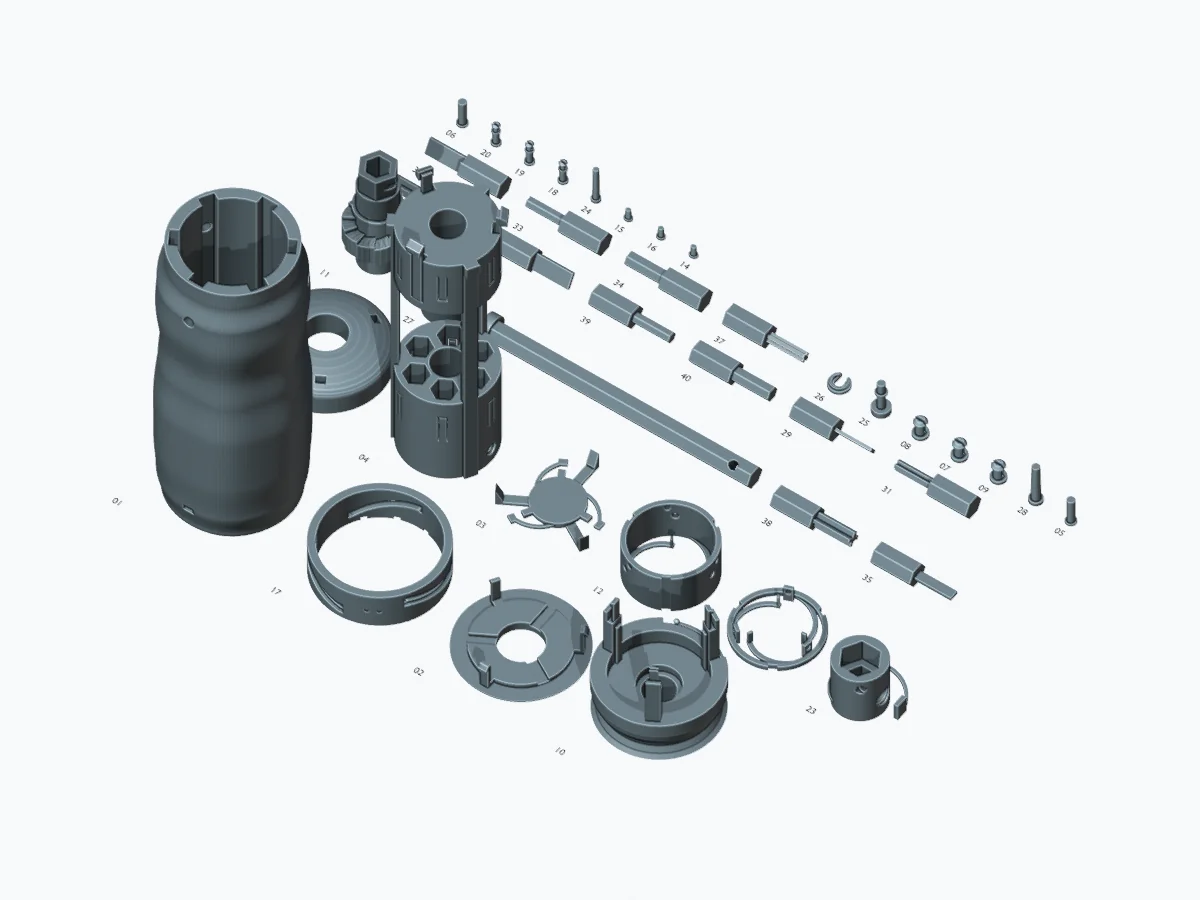
40 separate printed parts
One material throughout, with the components printed separately for assembly.
Inspect single-material layout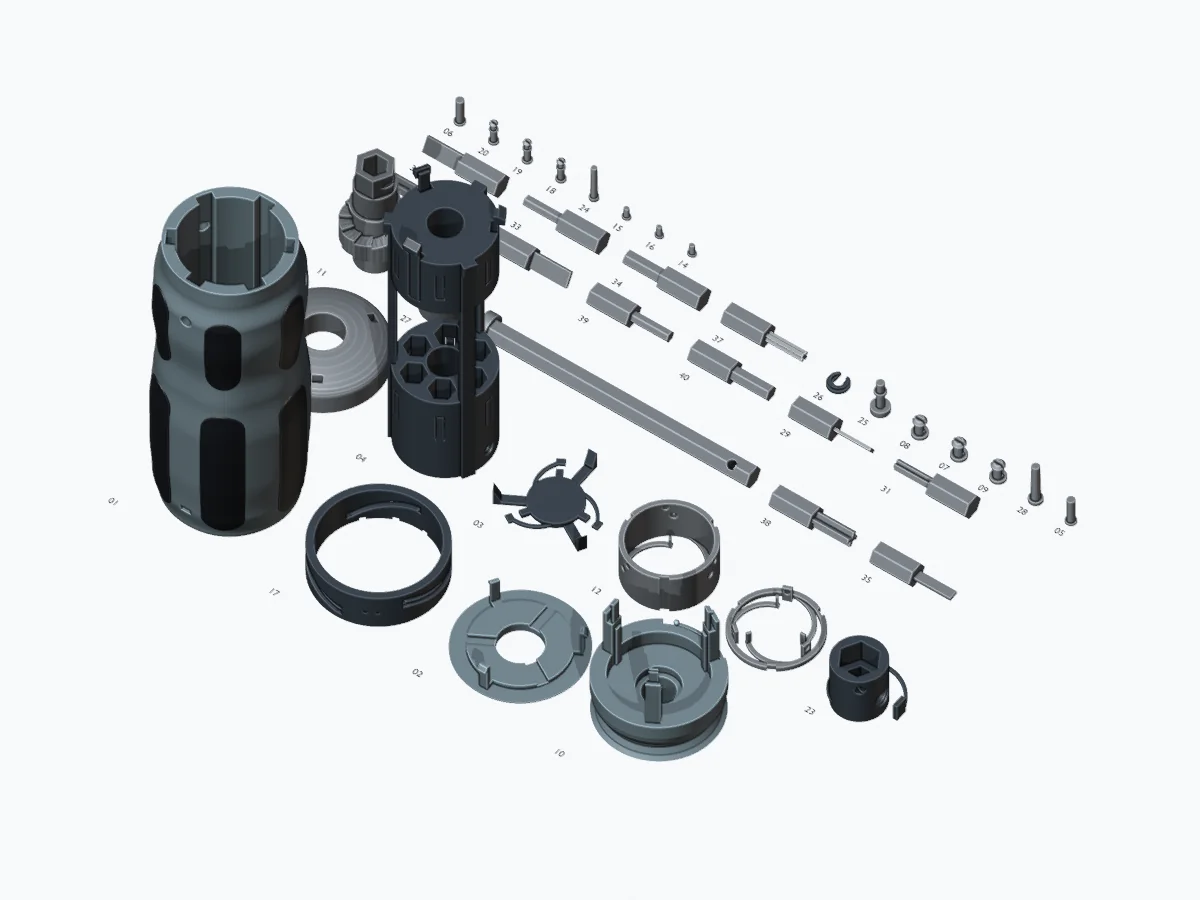
40 printed parts · 52 material regions
A rigid PETG and flexible TPU alternative. Material regions belong to the printed parts; they are not additional pieces to assemble.
Inspect PETG + TPU layoutMagnets are purchased separately. Supports and fit need slicer checks; fit and strength need physical prototypes. Thin and fragile features remain on the design backlog. Print files are not available to download yet.
There are already ideas for future upgrades. Your interest will help shape what comes next.
The goal is to share printable files once the prototype has been physically tested and validated.
If demand justifies it, DIY metal-part kits could offer stronger components for a build you assemble yourself.
With sufficient interest, a complete assembled screwdriver could become another direction to explore.
Kits and assembled tools are possibilities, not products currently for sale. No launch is guaranteed.
The images and video on this page are digital renders. The metallic appearance is illustrative. The initial prototype is planned to be all plastic; it has not yet been printed, physically tested or torque tested.
Free email signup
Choose what you want to hear about. Only testing updates and news of any release for your selected interests. No general marketing.